Photo by Shiwa Yachachin, Pexels License, via Pexels
A good harvest should be good news. Too often, it isn't.
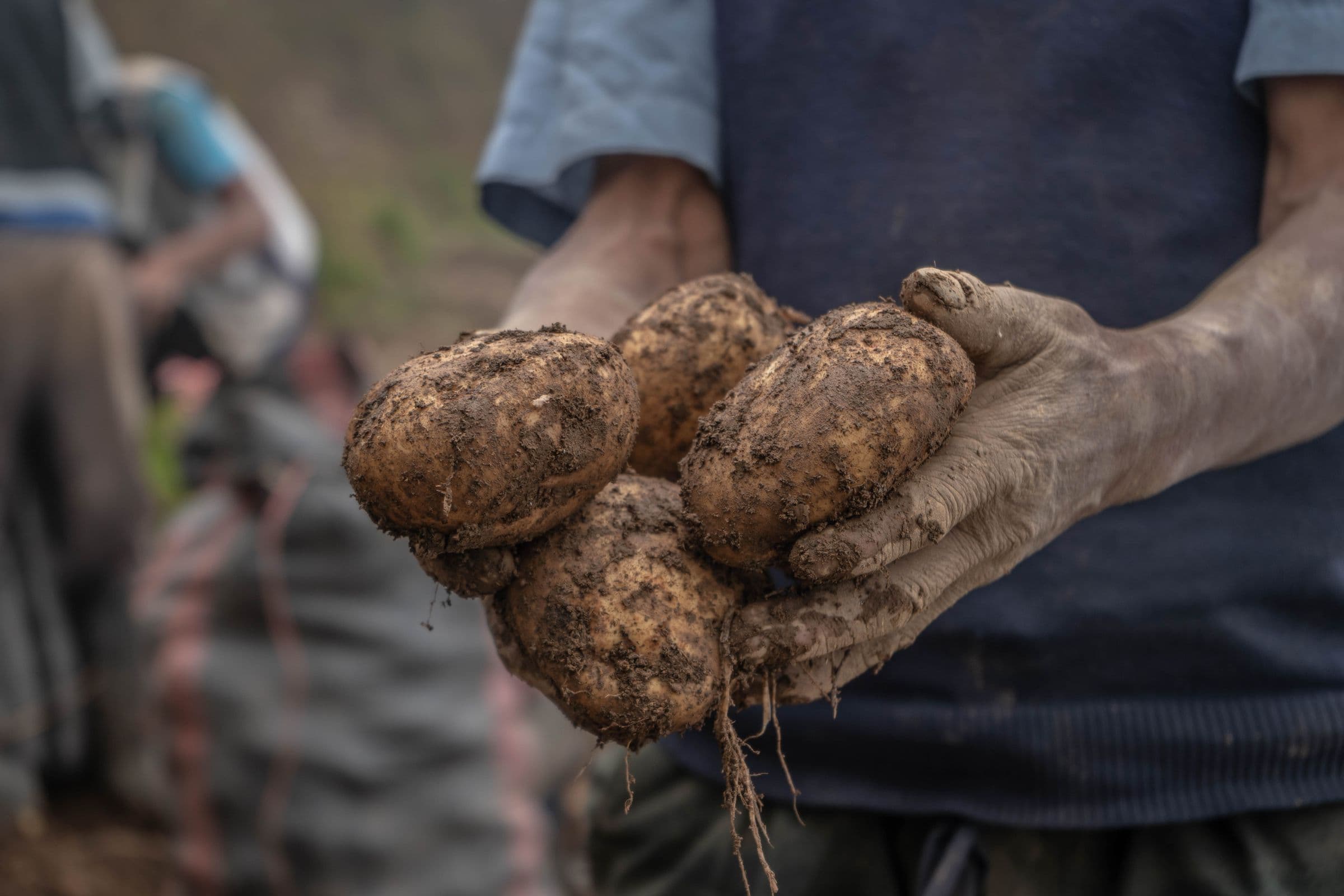
According to the FAO, around 18% of roots and tubers in sub-Saharan Africa are lost during handling and storage alone. More is lost later, in processing and on the way to market.
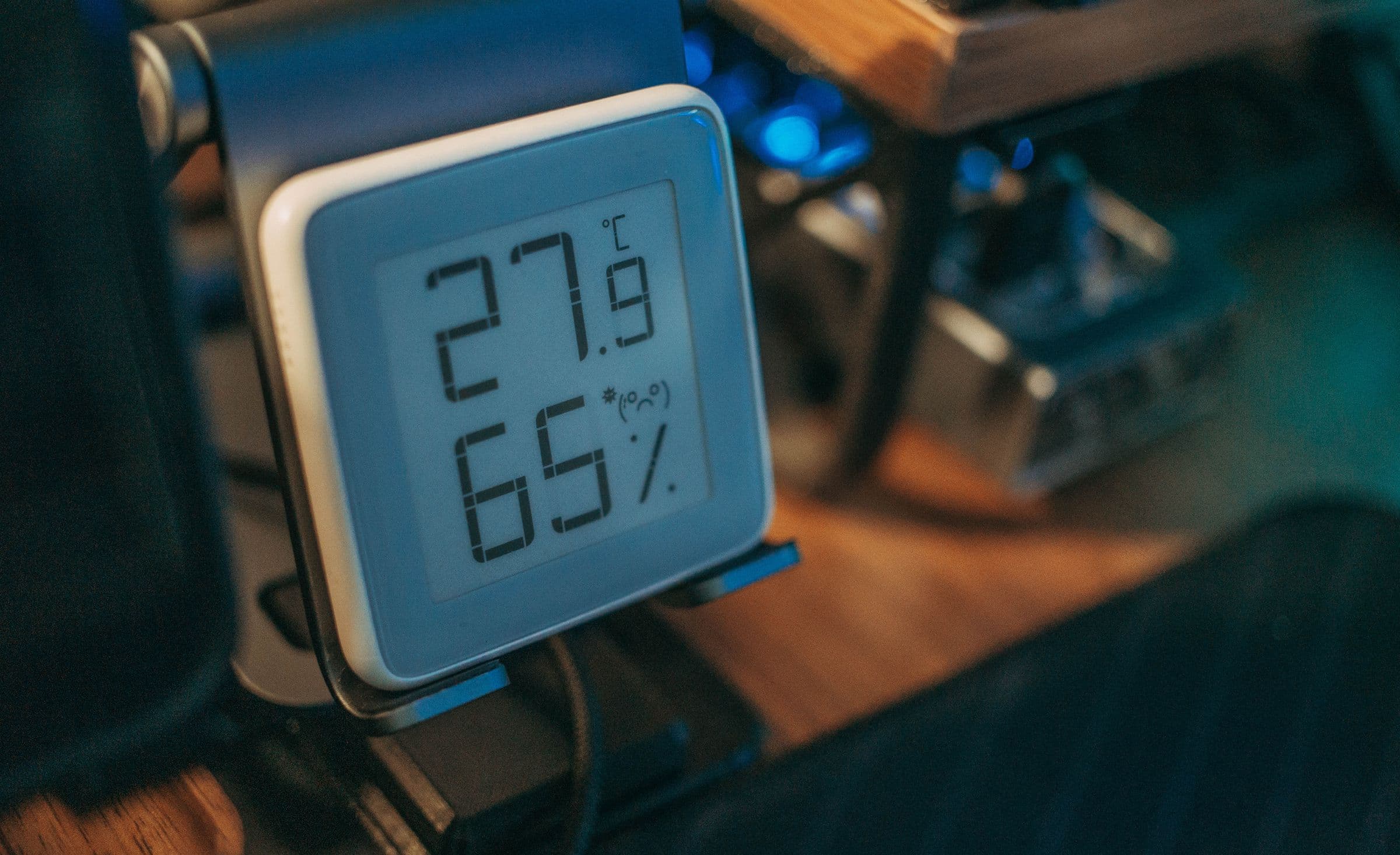
Most of that loss is quiet. Stored crops keep breathing after harvest. They give off heat and lose water. In a hot, poorly ventilated storage room, that speeds up sprouting, shrinking and rot. By the time you can see the damage, the value has already gone.
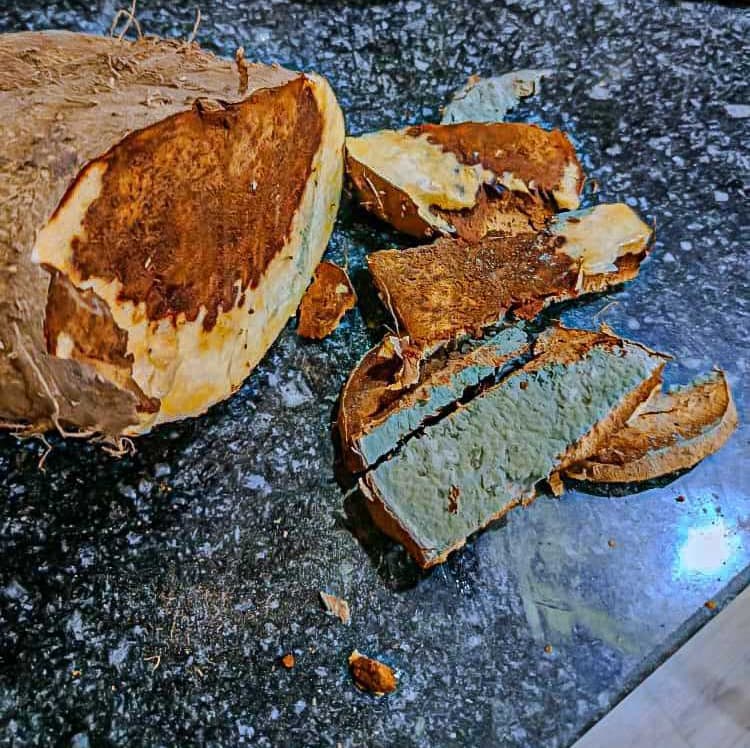
Photo by Agrikeep Labs, All rights reserved
The loss doesn't stop at spoiled crops. When crops won't keep, farmers and traders have to sell straight after harvest, which is exactly when prices are lowest. Being able to store well means being able to choose when to sell.
That's the problem we're working on: storage people can afford, that keeps crops good for longer, with clear information about what's happening inside.
The Agrikeep team
Agrikeep Labs
News and know-how from the team building Agrikeep.